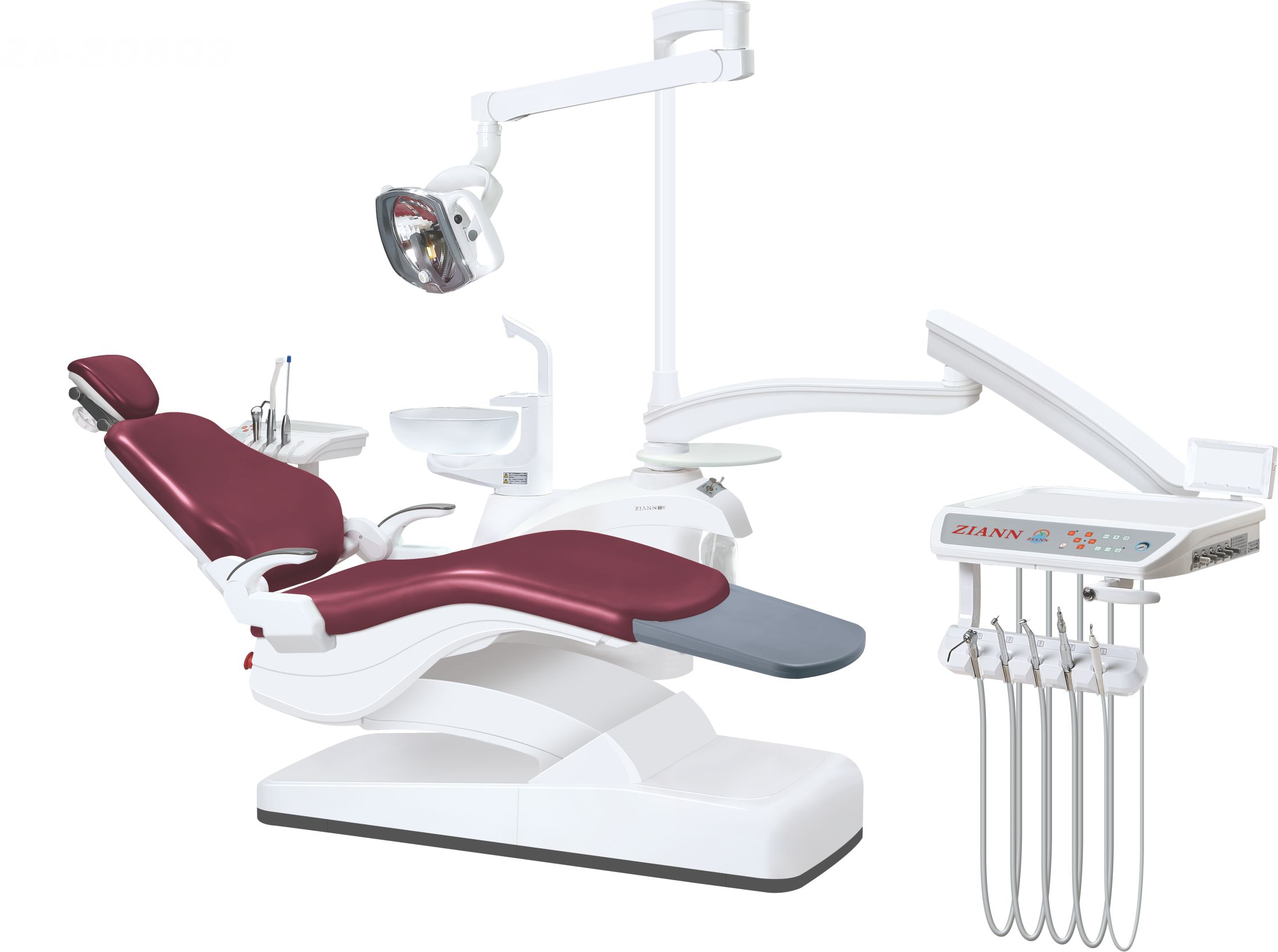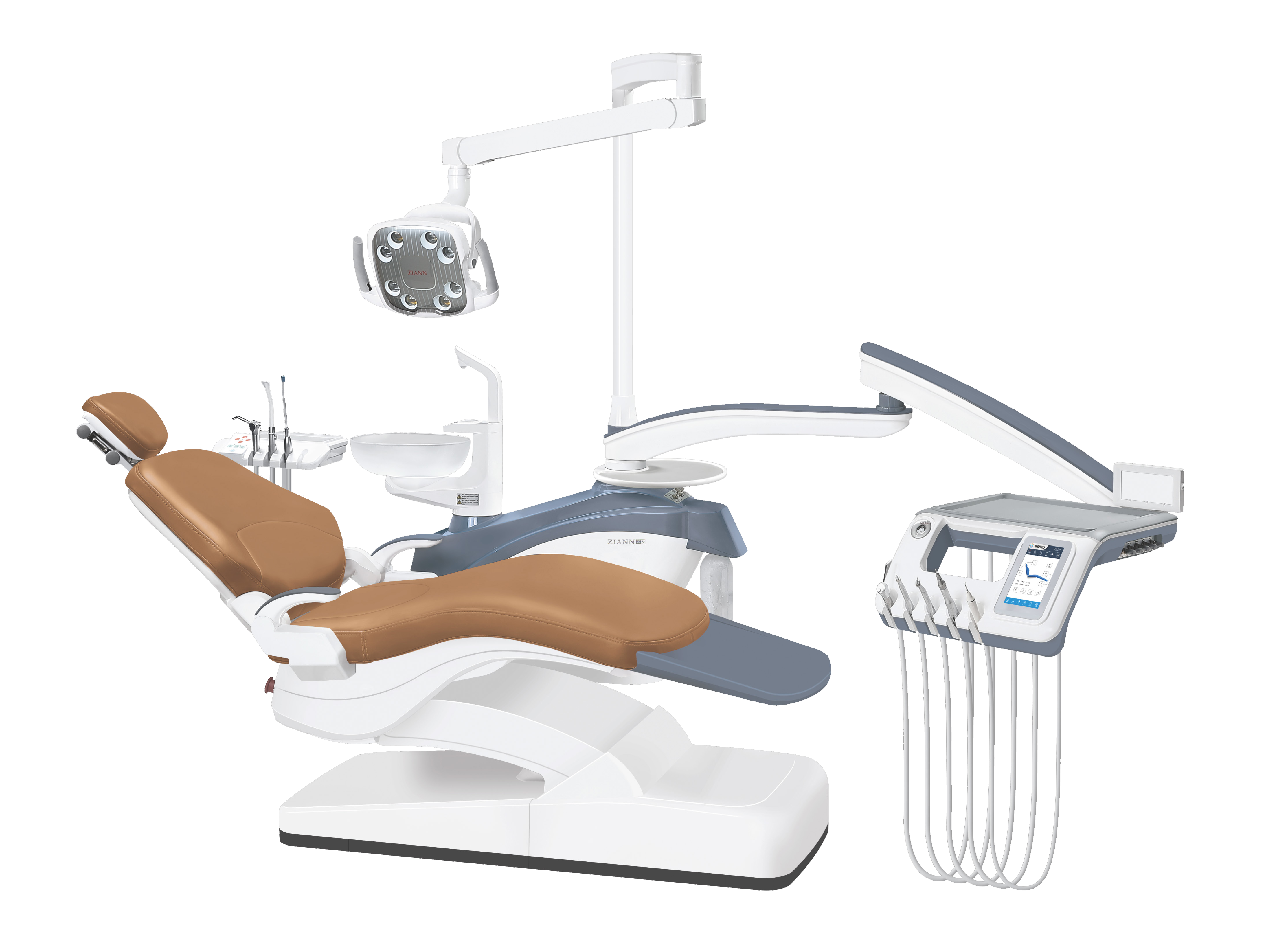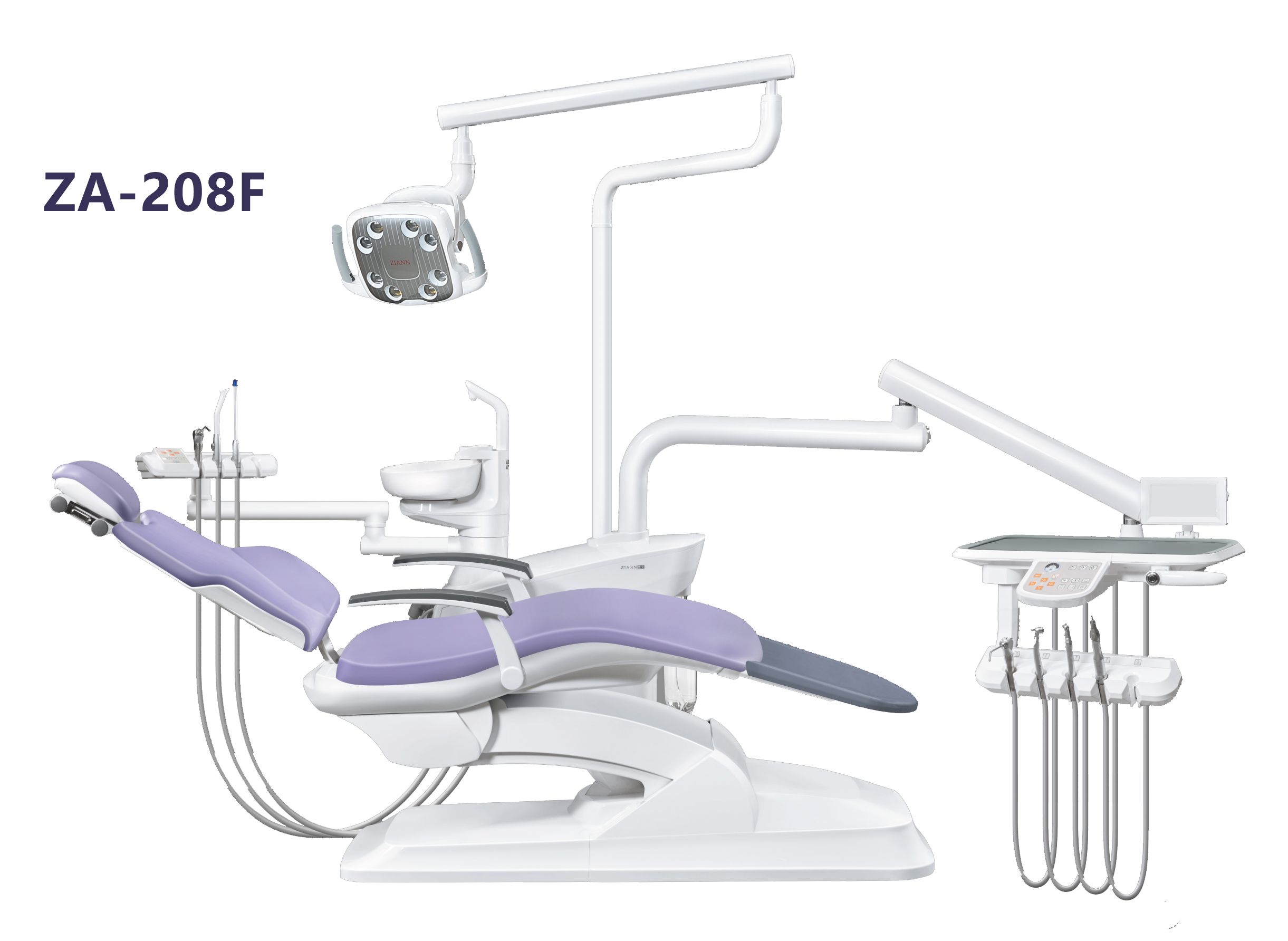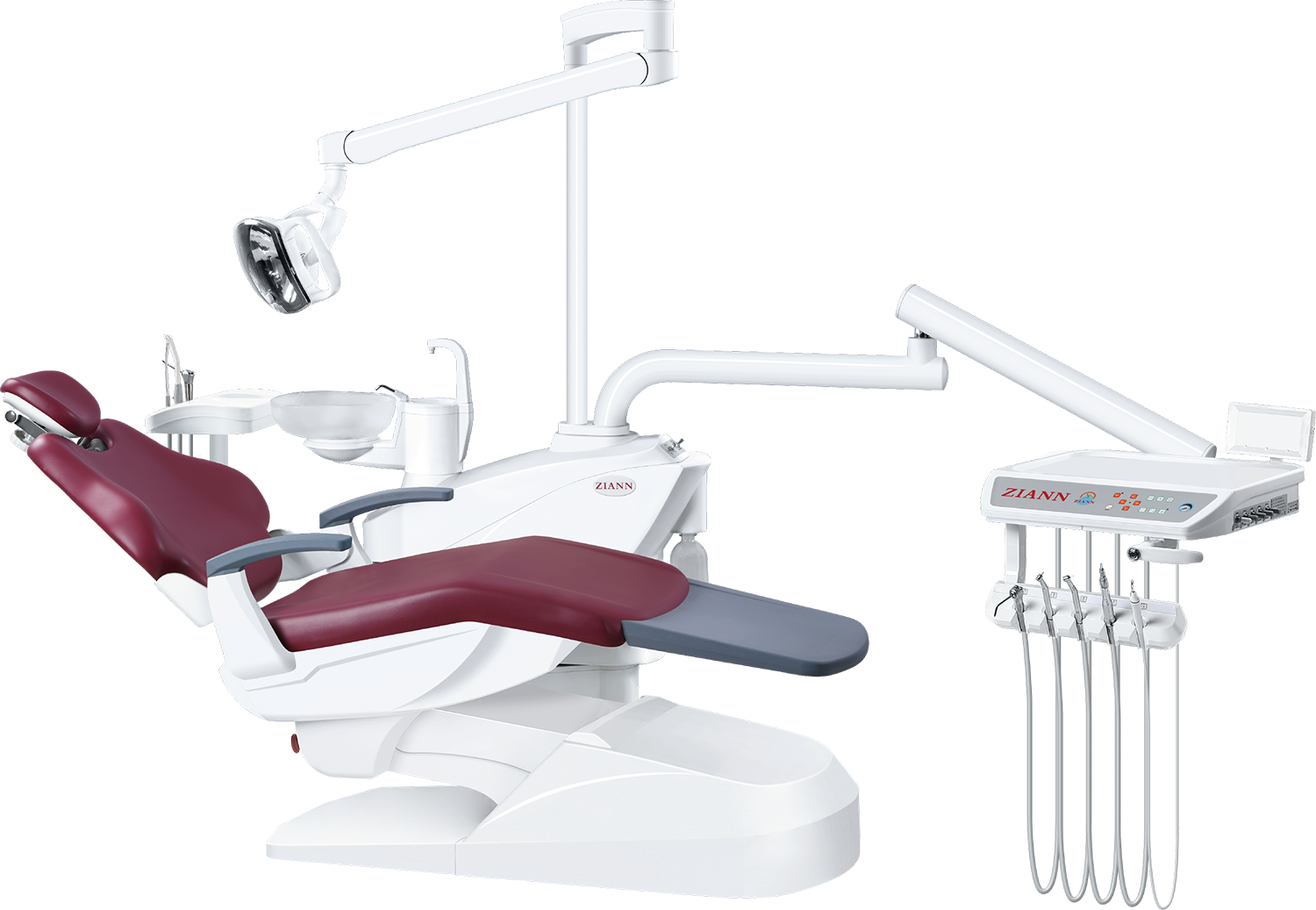
Walk into any dental clinic and the first thing you notice is the dental chair. Patients see it as the chair, but for a dentist and assistant it is more like a small working station. A modern dental chair unit holds the patient in the right position, brings tools close to hand, and keeps everything clean and safe. If you are buying equipment, doing maintenance, or comparing suppliers, it helps to know the common dental chair parts and what each one really does in daily work.
Common Dental Chair Parts and Their Functions
The Chair Base and Lift System
The chair base is the heavy part on the floor that keeps the whole system stable. Inside the base you usually have the lift system, which can be hydraulic or electric. This is what raises and lowers the chair smoothly while a patient is sitting on it. In busy clinics, smooth movement matters more than you think. If the lift is jerky, patients feel nervous, and the dentist loses time adjusting.
The base also protects cables and hoses that run up into the chair. When clinics order dental chair spare parts, base covers and seals are common items because they crack over time, especially with strong disinfectants.
Backrest, Seat, and Upholstery
The seat and backrest are the comfort parts, but they are also positioning tools. A good backrest supports the spine while still allowing the dentist to work close. A thin backrest is popular in many dental clinic equipment setups because it gives the dentist more legroom when sitting.
Upholstery is often overlooked until it tears. Dental chair upholstery has to handle constant wiping, body weight, and sometimes sharp edges from belts or bags. When the surface breaks, it is not only ugly, it becomes a cleaning problem. Many clinics search for dental chair upholstery replacement when they want a faster refresh instead of buying a new chair.
Headrest and Headrest Adjustment
The headrest holds the patient's head steady, and it helps the dentist get the right angle for upper molars or front teeth. Most chairs use a double articulating headrest so you can tilt and extend it. That is important for kids, tall adults, and elderly patients with limited neck movement.
If the headrest slips during treatment, it can cause constant readjustment. In dental chair repair, headrest locking parts and small internal gears are common wear points.
Armrests and Patient Entry Support
Armrests look simple, but they have two jobs. First, they help patients feel safe when sitting down. Second, they guide the patient's body position so the back stays centered. Some chairs have flip up armrests, which are especially helpful for seniors or patients with mobility issues. In practices that do a lot of oral surgery or implant cases, easy entry and exit is not a small detail, it reduces strain and makes the appointment smoother.
Chair Controls and Foot Pedal
Dental chair controls can be on the chair side panel, on the assistant side, or on a foot control. Many dentists prefer a foot pedal because hands stay clean and the workflow is faster. Preset positions are also important: rinse position, entry position, and working position. If you have ever watched a hygienist switch patients quickly, these presets save minutes each hour.
When comparing a dental chair manufacturer, clinics often ask how easy it is to replace the foot pedal or the control board. Those parts can fail after years of heavy use, especially if liquid disinfectant gets inside.
Delivery System: Dentist Element and Instrument Holder
The delivery system is where the handpieces, air water syringe, and sometimes ultrasonic scaler are mounted. You may hear dentist element or doctor unit. This part affects ergonomics a lot. If the handpiece hoses pull too hard, you feel it in your wrist after a long day.
There are different styles, like over the patient delivery and rear delivery. Over the patient delivery is common because tools are right in front, but some dentists prefer rear delivery for a cleaner look and less clutter. When people search dental chair unit for sale, they often compare delivery styles without realizing it changes daily comfort.
Assistant Unit: Suction and Controls
On the other side, the assistant unit usually holds high volume suction, saliva ejector, and sometimes a second air water syringe. The suction system keeps the field dry and improves visibility. In restorative dentistry, that means better bonding. In hygiene, it means quicker scaling. In oral surgery, it is basically nonstop.
Suction handles and hoses are high wear dental unit parts. Clinics often order replacements as part of regular dental unit maintenance, especially when suction starts smelling bad or losing power due to buildup.
Cuspidor and Water System
Many chairs include a cuspidor, also called a spittoon bowl, plus a cup filler and bowl rinse. This is where patients rinse and spit, but it is also part of the water system. The waterline quality matters for safety. Dental unit waterlines can grow biofilm if not managed correctly, so cleaning protocols and waterline treatment products matter.
When clinics talk to a dental chair supplier, it is worth asking if the chair supports easy flushing and if the waterline layout is easy to access. A water system that is hard to service usually leads to skipped maintenance, and then problems show up later.
Dental Operating Light
The dental operating light is not just a lamp. It controls visibility, shade matching, and reduces eye strain. LED dental lights are popular because they run cool and last long. Many have adjustable intensity and a composite mode, which helps reduce premature curing when placing resin materials.
In a dental operatory design plan, lighting is one of the biggest factors for comfort, especially for long procedures like crown prep or root canal.
Handpieces and Built in Utilities
High speed and low speed handpieces connect through the delivery system, and they rely on clean air and stable pressure. Inside the chair system you have air regulators, filters, and valves. If air pressure is unstable, the handpiece sound changes and cutting becomes less consistent. That is why clinics sometimes search for dental unit valves or air regulator replacement when troubleshooting.
Some units also have built in electric micromotor options, which can be useful for endodontics and implants. When shopping for a dental chair unit, clinics should check if the chair supports the handpiece type they use most.
X Ray and Monitor Mounts
More chairs now offer monitor arms, intraoral camera holders, and even integrated dental X ray sensor mounts in the operatory area. While these are not always part of the chair body, they connect to the chair system and affect cable routing and safety.
If your clinic is planning a digital upgrade, ask the dental chair manufacturer if the unit has clean routing paths. Messy cables get snagged, and that leads to repeated repairs.
Safety Features and Infection Control Touches
Safety features include a stable frame, anti crush protection, emergency stop, and smooth edges that are easy to wipe. Infection control details show up in places like removable handles, sealed seams, and easy access filters.
This is also why clinics keep a list of dental chair spare parts. Small items like O rings, suction tips, and valve kits can stop a room from running if they fail. For a clinic owner, having a basic spare parts kit is almost like having backup bulbs for your light.
Maintenance Basics That Keep Parts Working Longer
Even the best dental chair unit needs regular checks. Wipe upholstery with the right cleaner, not the harshest chemical every time. Flush dental unit waterlines on schedule. Clean suction lines daily if the clinic volume is high. Check hoses for cracks and listen for air leaks. If you hear a hiss, it usually gets worse, not better.
If you work with a dental chair supplier or service team, ask for a clear maintenance sheet and recommended replacement intervals. This is boring paperwork, but it prevents expensive breakdowns.
Conclusion
A dental chair is really a system made of many dental unit parts that all have specific functions, from the chair base and lift to the delivery system, suction, waterlines, and dental operating light. When you understand these parts, it is easier to choose the right dental chair unit for sale, talk clearly with a dental chair manufacturer, and plan dental unit maintenance without surprises.